Code Green Solutions

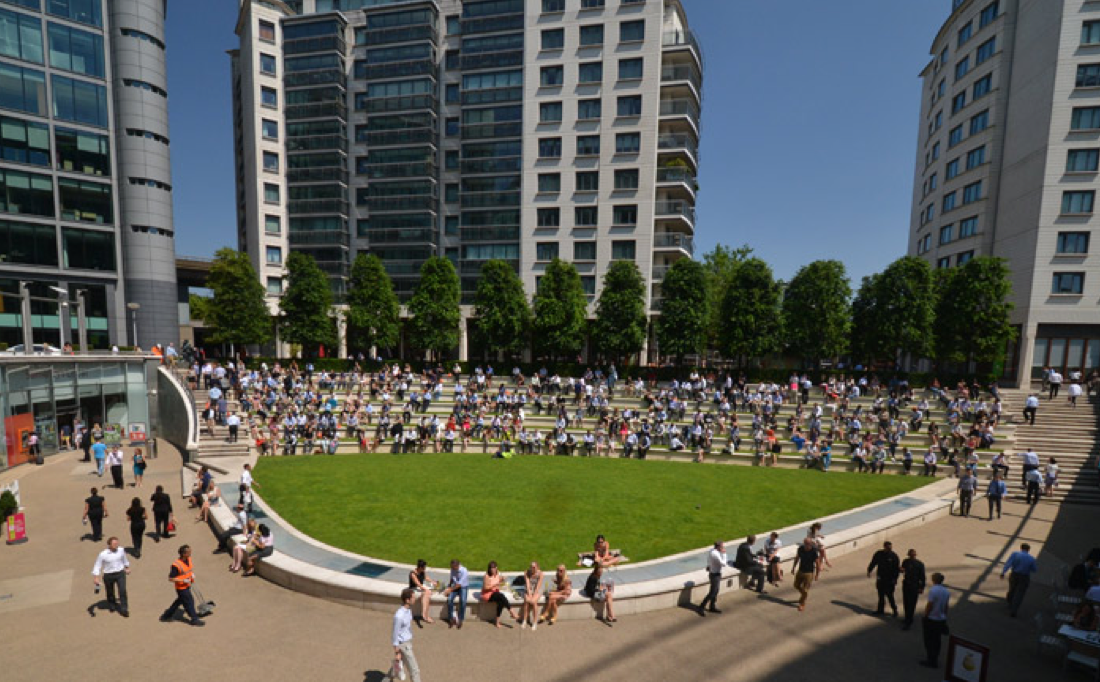
Since launching our 2020 sustainability strategy last year, we’ve been exploring exciting opportunities for British Land to use placemaking to enhance the wellbeing of the many thousands of people who work, shop and live in our properties each week.
Placemakers may not be able to influence every aspect of people’s wellbeing, but the built environment provides the foundation for people’s wellbeing to flourish, affecting how people feel and behave, as well as how they interact with others and how productive they are.
There is a strikingly broad array of evidence to support the huge role that we could play in enhancing wellbeing and productivity through placemaking – and on the potential social and commercial benefits that could result from this.
Evidence that the built environment can influence wellbeing comes from a range of disciplines. For instance:
Evidence also shows that if we get this right, the potential benefits are significant – for the people who work, shop or live in our buildings, for the commercial firms that operate in our space, for our local communities, for our investors and for the wider society:
Placemaking lies at the heart of what we do here at British Land. And the pursuit of happiness is clearly a significant aspect of placemaking. Our focus on wellbeing can help us create outstanding places where people want to be – places that make a positive difference to people’s everyday lives, and so add long term value for all our stakeholders.
In addition to testing a range of wellbeing measures in our Head Office (read more here) and partnering with occupiers on wellbeing initiatives at Paddington Central, we are working with Happy City to develop a series of wellbeing principles to guide our placemaking strategy. We look forward to bringing you more on this as we continue to make progress in this important area.
This blog was first published on British Land’s website here.